Loading...
Serving Texas City, TX and surrounding areas. (409) 741-9382
Standing water destroys asphalt from underneath. We design and install drainage systems sized for flat Gulf Coast terrain and the intense storms that come with it.
Drainage solutions in Texas City redirect water away from your asphalt surface before it can weaken the base underneath, and most residential jobs involve regrading, channel drains, or piped outlets completed in one to three days.
Texas City sits on flat coastal plain with almost no natural slope, which means water from every rain has nowhere to go unless the surface is designed to move it. When water sits under asphalt or seeps into the base, it softens the material that holds everything up - and once that base weakens, cracking, sinking, and soft spots follow. Parking lots with recurring water problems also benefit from traffic calming - a properly placed speed bump installation can work alongside drainage improvements to manage both water flow and vehicle speed in a single project visit.
A contractor who knows this terrain will assess how water actually moves across your property and design a system sized for the intense Gulf Coast storms that arrive fast and drop a lot of rain in a short time. Getting that assessment done before your next storm season is the practical move.
If you regularly see standing water on your asphalt that takes hours to drain - or never fully drains - your surface lacks adequate slope or a working outlet. In Texas City's flat terrain, this is one of the most common complaints homeowners have. It almost always means the drainage was never properly designed for the site.
Cracks and sunken areas are signs that water has already been getting under your asphalt and weakening the base. Once the base softens, the surface above fails, and the damage keeps spreading until the water problem is addressed. Fixing the drainage and repairing the pavement together is the right approach.
If rain flows off your driveway and toward your garage door, entry, or foundation, that is a serious warning. Water infiltrating around a slab foundation in this area's clay soils can cause settling and structural problems far more expensive than a drainage fix. This one should not wait.
If soil is washing away from the sides or end of your driveway after rain, water is leaving the pavement without a controlled path and cutting its own route. Left alone, this erodes the base support at the edges and leads to crumbling or cracking along the borders.
Most drainage problems come down to one thing: water has no designed path off your surface. We start by regrading the area to create the correct slope, which sometimes solves the problem without any additional structure. When more is needed, we install channel drains or catch basins at low points to intercept water before it spreads, and pipe it to a safe outlet at the street or an approved discharge point. We also install French drains alongside pavement where the soil needs help moving water laterally away from the surface edge.
After drainage is addressed, we repave any disturbed sections and finish them to blend with the existing surface. If your pavement has already been undermined, we can combine the drainage work with grading and excavation to rebuild the base correctly. Every job is site-specific - we visit your property before quoting because the right solution depends on how water actually moves on your land.
Suits driveways that pool water because the surface was laid without adequate slope - no new drain structure required in many cases.
Suits surfaces with a persistent low point where water always collects - a linear channel captures and routes the flow to an outlet.
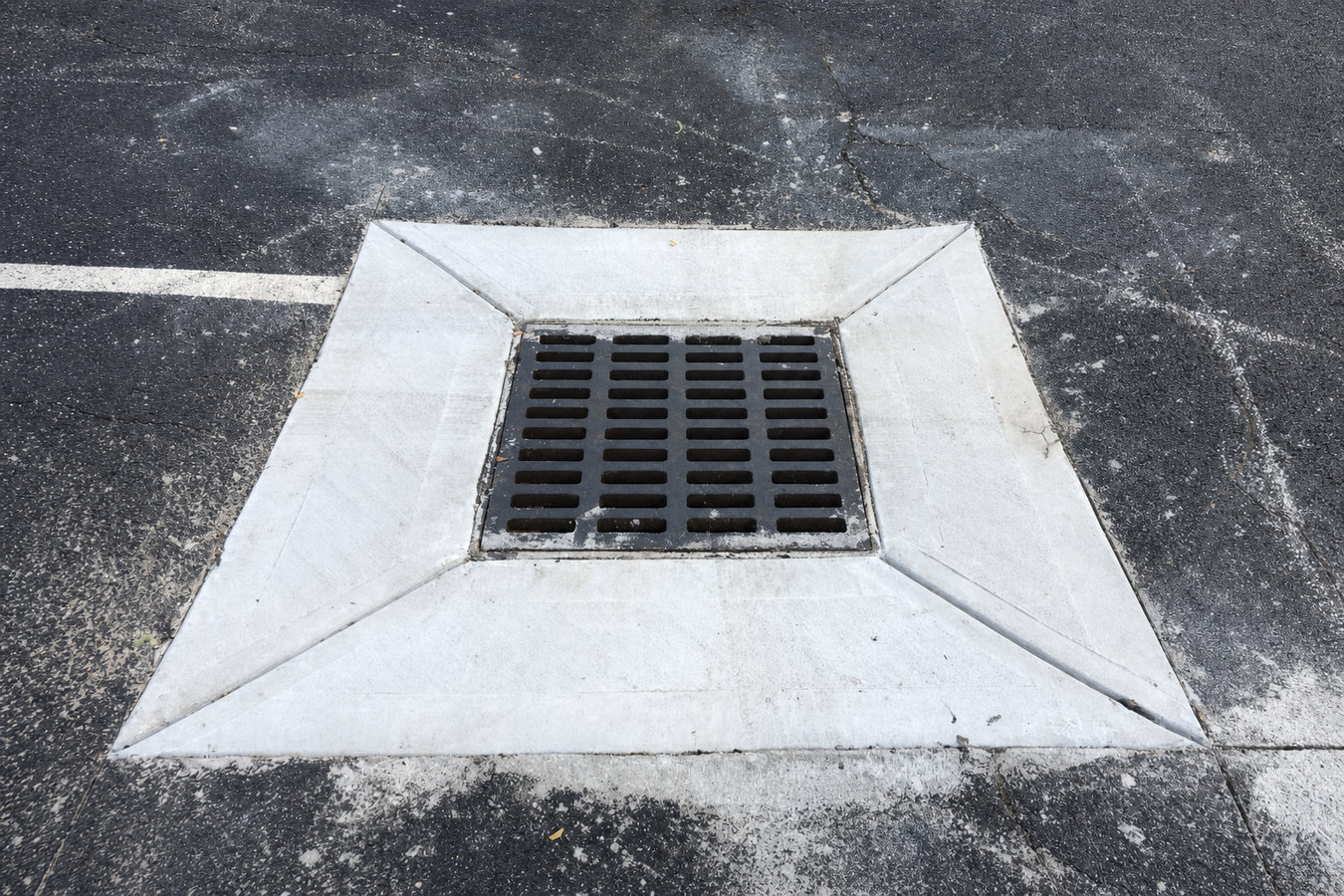
Suits larger paved areas like parking lots where a single collection point can intercept water from multiple directions and pipe it away.
Suits properties where water saturates the soil at the pavement edge - a perforated pipe buried in gravel intercepts groundwater before it undermines the base.
The upper Texas Gulf Coast regularly receives intense, fast-moving rainstorms, and Texas City sits on one of the flattest stretches of land in the region. There is almost no natural grade to carry water away, so every bit of drainage has to be engineered into the surface itself. The soil here is predominantly heavy clay, which absorbs water slowly and then holds it - meaning water sits against your pavement base far longer than it would in a sandier area. That combination of flat terrain, clay soil, and high-volume Gulf Coast rainfall is why proper drainage design is not optional here - it is the difference between pavement that lasts and pavement that fails in a few years. A contractor without experience in this specific environment may undersize a system that gets overwhelmed every time a real storm hits.
We work throughout the area, including homeowners and property managers in Alvin and commercial customers in Pearland who face the same flat-terrain drainage challenges. The design principles are the same - water needs a deliberate path off the surface - but every site has its own grade, soil conditions, and outlet options. That is why we visit every property before we quote.
We respond to drainage inquiries within 1 business day. Because drainage design is site-specific, we always visit your property before quoting - anyone who prices this work without seeing your site is guessing.
We walk your property, observe how water flows, and identify the right solution for your site. You get a written proposal in plain language: what we recommend, what it costs, and where the water will go after the fix. No pressure, no obligation.
If the work connects to the city storm system or a public ditch, we handle the permit application and coordinate any required inspections. We build the permit timeline into the schedule so there are no surprises.
Most residential jobs take one to three days. After we install the drain system and repave any disturbed sections, we walk you through the finished work - showing you where water now flows and what to watch for during the first few storms to confirm the system is working as designed.
We visit your property, assess how water moves across your surface, and give you a written plan before you commit to anything. No pressure - just answers.
(409) 741-9382Drainage work in Texas City's low-lying, clay-soil environment is genuinely different from inland paving work. We design systems for the high-volume, fast-moving Gulf Coast storms that overwhelm undersized drainage in this area - not just light showers. Local experience in this specific terrain is what separates a system that holds up from one that gets overwhelmed every summer.
We never quote drainage work without seeing your property. The right solution depends on your specific grade, soil, and outlet options - things that cannot be assessed over the phone. You get a written proposal based on what your site actually needs, not a generic estimate that may miss the real problem.
As a member of the National Asphalt Pavement Association, we follow industry best practices for base preparation, material selection, and drainage design. That means your repair is done the way the industry says it should be done - not the fastest way.
Texas requires paving contractors to meet licensing requirements you can verify through TDLR online. Hiring a licensed contractor protects you if something goes wrong and confirms the business meets minimum state standards before it starts work on your property.
Every drainage job we do is backed by a written contract that spells out exactly what will be done, where the water will go, and what you can expect after the first storm. That transparency is how we earn referrals from neighbors across Texas City and the surrounding area.
Add permanent asphalt speed bumps to your driveway or parking area to physically slow vehicles on your property.
Learn MoreRebuild the ground underneath your pavement - excavating problem clay and compacting a stable base so water drains and the surface stays level.
Learn MoreTexas City's flat terrain and heavy rainfall season will not wait - get a free on-site drainage estimate now and protect your pavement and foundation before the damage gets worse.